Tips for Planning Successful Group Student Trips

Planning a group student trip can be both exciting and daunting. The prospect of exploring new places, learning outside the classroom, and bonding with peers is thrilling. However, the logistics involved can often feel overwhelming. Whether you're a teacher, a parent, or a student leader, having a clear plan can make all the difference. Here are some essential tips to ensure your group trip is successful and memorable.

Define the Purpose of the Trip
Before diving into the logistics, it's crucial to establish the purpose of the trip. Are you aiming to enhance learning in a specific subject, promote teamwork, or simply provide a fun experience? Defining the purpose will guide your planning process and help you make decisions that align with your goals.
Educational Objectives
If the trip is educational, outline specific learning objectives. For example, if you're visiting a science museum, you might want students to:
Understand key scientific concepts.
Engage in hands-on activities.
Reflect on what they learned through discussions or assignments.
Team-Building Goals
If the focus is on team-building, consider activities that foster collaboration and communication. This could include:
Group challenges or scavenger hunts.
Workshops that require teamwork.
Reflection sessions to discuss group dynamics.
Budgeting for the Trip
Budgeting is a critical aspect of planning any trip. A well-structured budget helps avoid unexpected expenses and ensures that all participants can afford the trip. Here are some steps to create a budget:
Estimate Costs
Begin by estimating costs for:
Transportation (buses, trains, etc.)
Accommodation (if applicable)
Meals
Entrance fees for attractions
Insurance
Fundraising Opportunities
If the budget is tight, consider fundraising options. Some ideas include:
Bake sales
Car washes
Sponsorship from local businesses
Collecting Payments
Establish a clear payment schedule. Make it easy for participants to pay in installments if necessary. Use online payment platforms to streamline the process.
Choosing the Right Destination
Selecting the right destination is crucial for a successful trip. Consider the following factors:
Accessibility
Choose a location that is easily accessible for all participants. This includes considering transportation options and the physical ability of students.
Educational Value
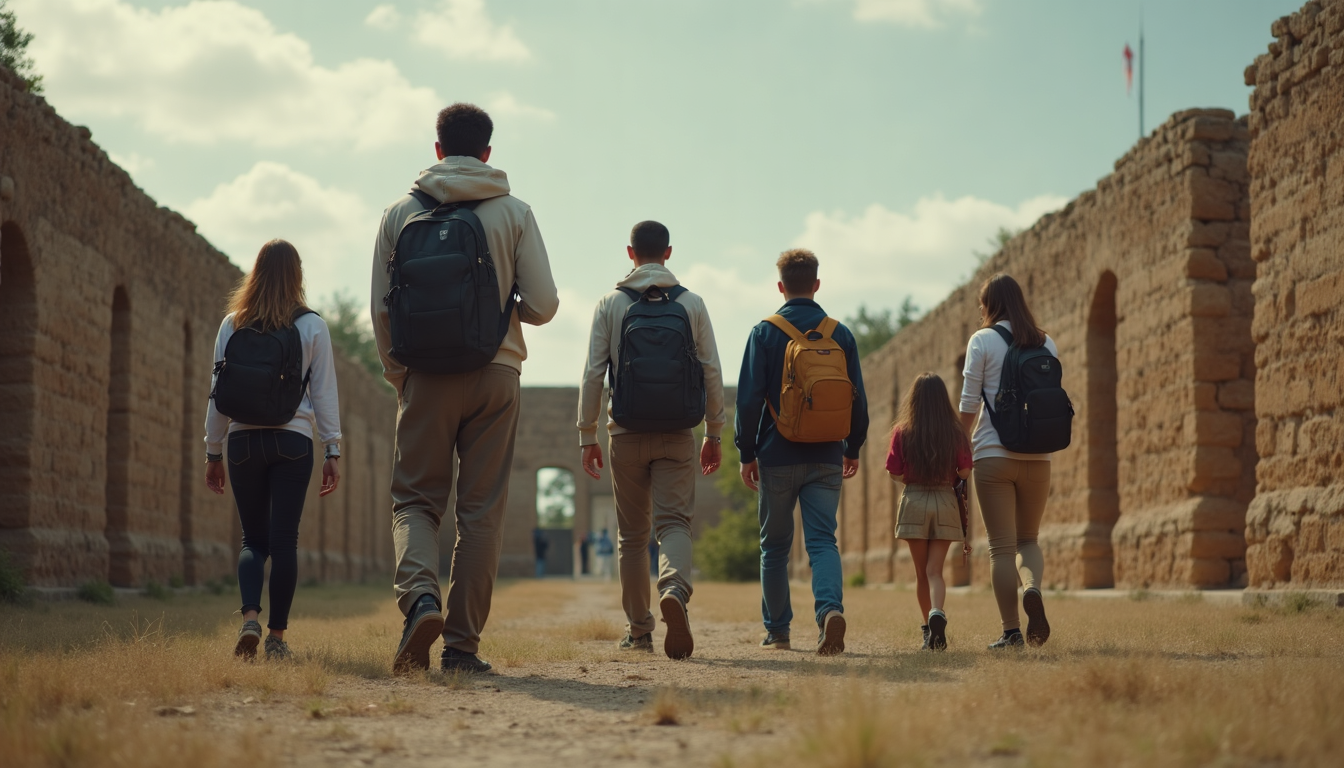
Ensure the destination aligns with your trip's purpose. For instance, if you're focusing on history, a visit to a historical site or museum would be ideal.
Safety
Safety should always be a priority. Research the area for any potential risks and ensure that the destination has appropriate safety measures in place.
Planning the Itinerary
A well-structured itinerary keeps the trip organized and ensures that all planned activities are covered. Here are some tips for creating an effective itinerary:
Balance Activities
Include a mix of educational and recreational activities. This keeps students engaged and allows for downtime. For example:
Morning: Guided tour of a museum.
Afternoon: Lunch followed by a team-building activity.
Evening: Free time for exploration or relaxation.
Allow for Flexibility
While it's essential to have a plan, be prepared for changes. Weather, traffic, or unforeseen circumstances may require adjustments. Build in some flexibility to accommodate these changes.
Communicate the Itinerary
Share the itinerary with all participants ahead of time. This helps everyone know what to expect and allows them to prepare accordingly.
Preparing Students for the Trip
Preparation is key to ensuring that students are ready for the trip. Here are some steps to take:
Pre-Trip Meetings
Hold meetings to discuss the trip's purpose, itinerary, and expectations. This is also a great time to address any questions or concerns.
Packing Lists
Provide students with a packing list that includes essentials such as:
Comfortable clothing and shoes
Personal items (toiletries, medications)
Any required materials (notebooks, pens)
Behavior Expectations
Set clear behavior expectations for the trip. Discuss the importance of respect, teamwork, and responsibility. Consider creating a code of conduct that students must agree to follow.
Safety and Supervision
Safety is paramount during group trips. Here are some strategies to ensure a safe experience:
Adult Supervision
Ensure there are enough adults to supervise the group. A common guideline is one adult for every 10-15 students, depending on the age and maturity of the group.
Emergency Plans
Have a clear emergency plan in place. This includes knowing the location of the nearest hospital, having emergency contact information, and ensuring all adults are aware of their roles in case of an emergency.
Communication Tools
Equip adults with communication tools, such as walkie-talkies or mobile phones, to stay connected throughout the trip.
Engaging Students During the Trip
Keeping students engaged during the trip enhances their experience. Here are some strategies:
Interactive Activities
Incorporate interactive activities that encourage participation. This could include:
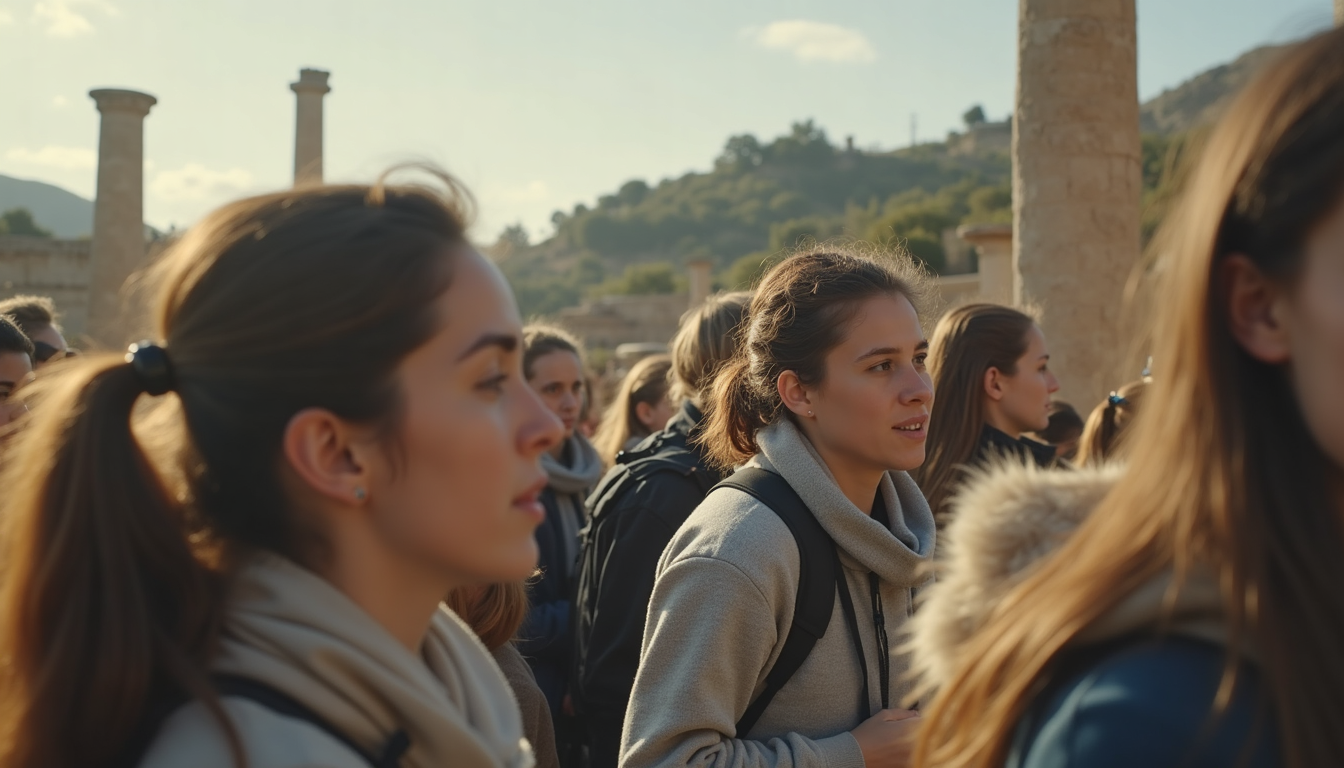
Group discussions after visits to attractions.
Hands-on workshops or demonstrations.
Reflection journals where students can document their experiences.
Encourage Questions
Foster an environment where students feel comfortable asking questions. This promotes curiosity and deeper learning.
Capture Memories
Encourage students to take photos or keep a travel journal. This not only helps them remember the trip but also allows for reflection on what they learned.
Post-Trip Reflection
The trip doesn't end when you return home. Post-trip reflection is essential for reinforcing learning and building on the experience. Here are some ideas:
Group Discussions
Hold a group discussion to share experiences and insights. This can help students process what they learned and how it relates to their studies.
Feedback Forms
Provide feedback forms for students to share their thoughts on the trip. This can help improve future trips and ensure that student voices are heard.
Follow-Up Activities
Consider follow-up activities that build on the trip. This could include projects, presentations, or further research on topics explored during the trip.
Conclusion
Planning a successful group student trip requires careful consideration and organization. By defining the trip's purpose, budgeting effectively, choosing the right destination, and preparing students, you can create a memorable experience that enhances learning and fosters camaraderie. Remember to prioritize safety and engage students throughout the trip. With these tips, you're well on your way to planning a successful group trip that students will cherish for years to come.
Now that you have these strategies, it's time to start planning your next adventure!
Comments